A Tavern Built on Revolutionary History
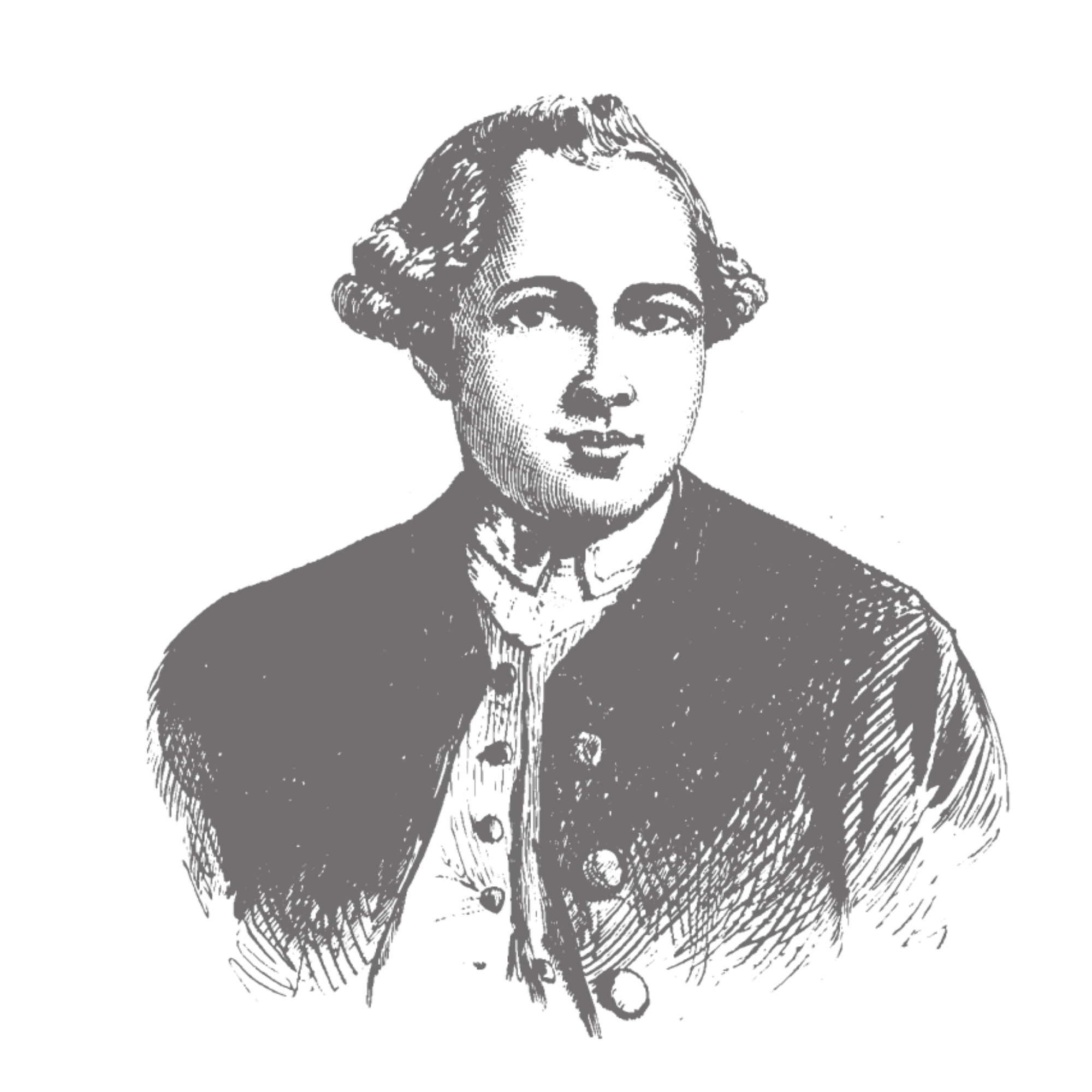
Doctor Joseph Warren was one of the most influential patriots of the American Revolution. A Harvard-educated physician and surgeon practicing in Boston, Warren was also a Grand Master of the Freemasons, a member of the Sons of Liberty and part of the Boston Committee of Correspondence. He authored the Suffolk Resolves, which his close friend Paul Revere carried to the First Continental Congress where they were endorsed on September 17, 1774. Warren also famously dispatched Paul Revere and William Dawes on their midnight rides to Lexington on April 18, 1775.
Just days before the Battle of Bunker Hill, the Massachusetts Provincial Congress appointed Warren a Major General. Yet when Major General Israel Putnam and Colonel William Prescott offered him command during the battle, Warren declined, choosing instead to fight alongside the men as a volunteer with musket in hand.
As British forces launched their assault on Breed’s Hill, patriot sharpshooters positioned throughout Charlestown inflicted heavy casualties. In response, British ships fired incendiary shots and landing parties set fire to the largely wooden town. From Boston and beyond, colonists watched Charlestown burn. The British first attack on the American left flank failed and a second assault on the redoubt was also repelled. British losses mounted, including many officers. On the third assault, the British overtook the redoubt and Doctor Joseph Warren was killed in battle.
Today, the Bunker Hill Monument stands on the site of the original redoubt, honoring the patriots’ heroic stand on June 17, 1775. Inside the lodge at the base of the monument is a marble statue of Major General Joseph Warren. Just across the street, the Bunker Hill Museum tells the story of Charlestown, the battle and the monument itself.
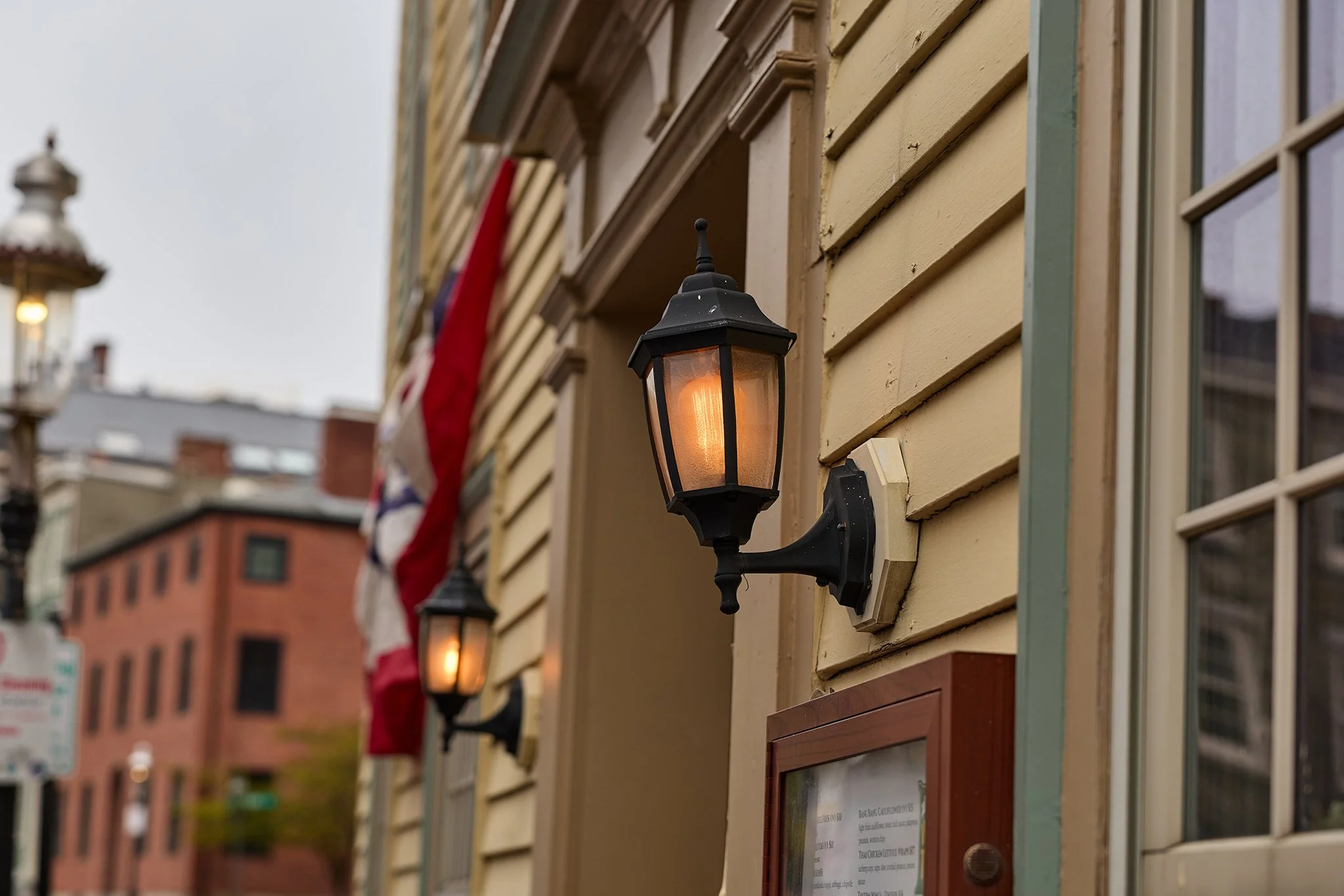
A short walk away on Pleasant Street stands one of the first buildings rebuilt after the British burned Charlestown: The Warren Tavern. Constructed in 1780, the tavern has welcomed visitors for nearly 250 years, including George Washington in 1789 and Paul Revere.